October 8, 2026
Keeping a vehicle in good working condition requires more than responding to problems when they become impossible to ignore. Routine maintenance, professional inspections, and timely repairs all contribute to a vehicle’s reliability and performance. When drivers visit an auto repair shop, they can expect technicians to evaluate their concerns, inspect relevant vehicle systems, explain what they find, and recommend appropriate services based on the condition of the vehicle.
The automotive service industry continues to serve drivers even as market conditions shift. In fact, according to IBISWorld, the American mechanics market experienced a slight decrease of -0.1% in 2026. Regardless of broader industry changes, vehicle owners still depend on professional technicians to help maintain essential systems and address mechanical concerns.
1. Expect a Thorough Evaluation of Your Vehicle
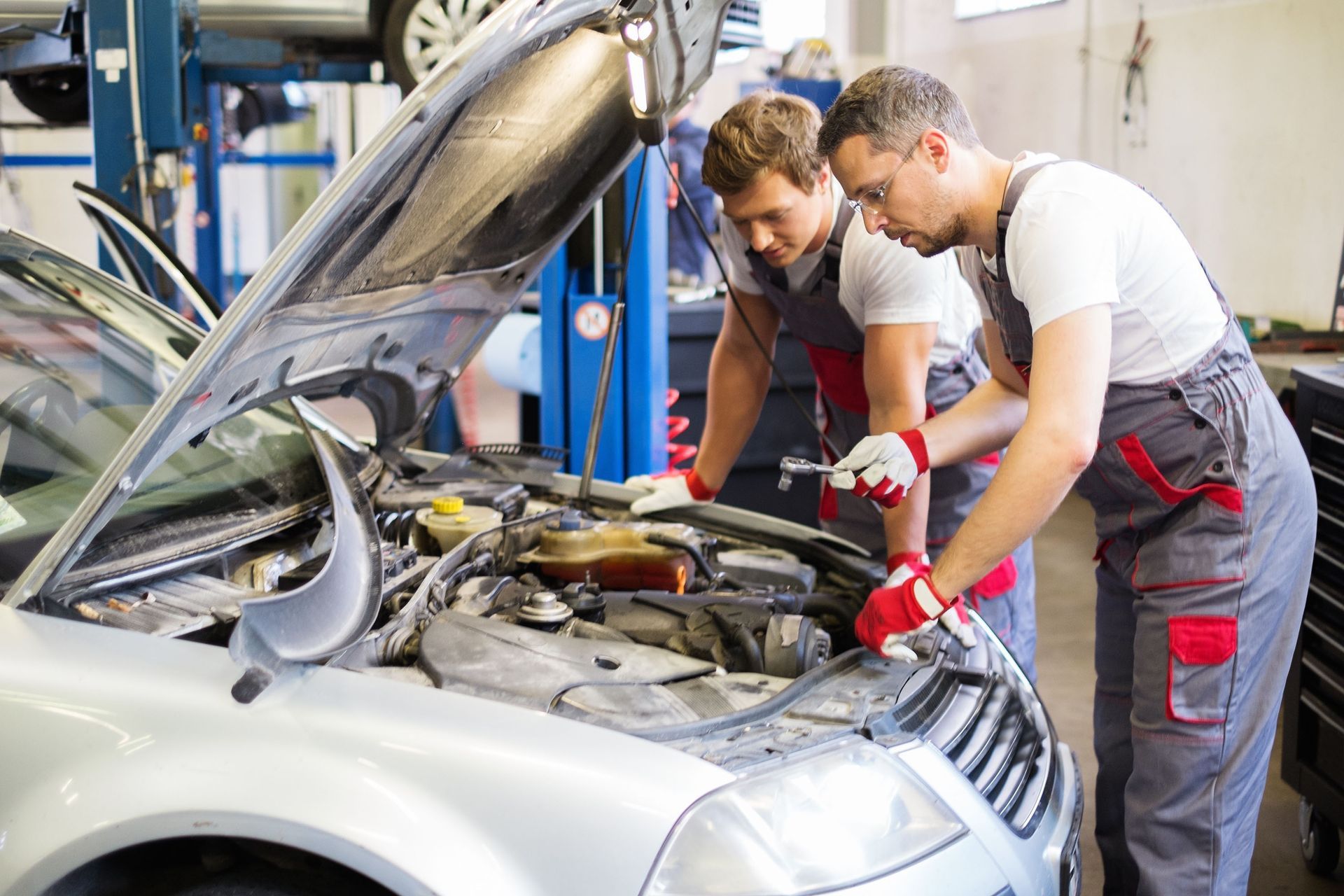
One of the first things drivers can expect from an auto repair shop is an evaluation of the concern that brought the vehicle in for service. A driver may describe a vibration, unusual noise, warning light, fluid leak, performance change, or another symptom. That information gives technicians a starting point, but determining the actual cause generally requires further inspection.
Automotive problems are not always as straightforward as they initially appear. A symptom associated with one component can sometimes originate elsewhere in the vehicle. For example, a noticeable change in braking, steering, acceleration, or ride quality may involve several related components. Technicians use their knowledge, inspection procedures, and appropriate diagnostic equipment to narrow down potential causes.
A professional evaluation can also help distinguish between immediate repair needs and items that may simply require monitoring or future maintenance. Rather than assuming that the most obvious component is responsible, technicians can examine the affected systems and develop recommendations based on what they find.
2. Expect a Clear Explanation of Recommended Repairs
After evaluating the vehicle, an auto repair shop should be able to explain the findings and recommended services in understandable terms. Automotive systems can be complex, and most drivers do not need an extensive technical background to make informed decisions about their vehicles. What matters is understanding what was found, why a repair or service is being recommended, and how the affected component relates to the vehicle’s operation.
Clear communication can be particularly valuable when an inspection uncovers more than the issue that prompted the original appointment. A technician may notice worn components, maintenance needs, leaks, or other concerns while examining the vehicle. These findings do not necessarily mean every service has the same level of urgency.
Drivers can ask questions when they are uncertain about a recommendation. Understanding whether a concern affects safety, reliability, performance, or routine maintenance can provide useful context when reviewing suggested work. It may also be helpful to understand which services address the original complaint and which recommendations resulted from additional inspection findings.
Professional communication should make automotive service easier to understand rather than more confusing. When technicians explain what they observed and how a proposed repair addresses the concern, drivers have more information available when deciding how to proceed.
3. Expect Attention to Preventive Vehicle Maintenance
A visit to an auto repair shop is not limited to repairing components that have already failed. Preventive maintenance is another important part of professional automotive care. Vehicles contain numerous fluids, filters, belts, hoses, tires, and mechanical components that experience normal wear through regular use.
Maintenance needs can vary depending on the vehicle, its condition, manufacturer guidance, driving habits, and operating environment. Keeping up with appropriate service can help technicians identify wear and developing problems before those concerns cause more noticeable changes in vehicle operation.
Preventive service also provides opportunities to inspect components that drivers may not routinely see. Many parts are located beneath the vehicle, behind other components, or within systems that require professional equipment to evaluate properly. A vehicle can appear to operate normally while still having maintenance needs that deserve attention.
Drivers should consider professional maintenance an ongoing part of vehicle ownership rather than something reserved for emergencies. Regular attention to a vehicle’s condition can provide a clearer picture of how components are wearing and which services may be approaching.
4. Expect Technicians to Use Appropriate Diagnostic Methods
Modern vehicles combine mechanical components with increasingly sophisticated electrical and electronic systems. For that reason, an auto repair shop may use several diagnostic methods when investigating a problem. The exact approach depends on the symptoms, the vehicle, and the system being evaluated.
Diagnostic equipment can provide valuable information, particularly when warning indicators or electronic systems are involved. However, diagnostic information is generally part of a larger evaluation. A fault or warning can point technicians toward a particular system, but additional inspection may still be necessary to determine what caused the issue.
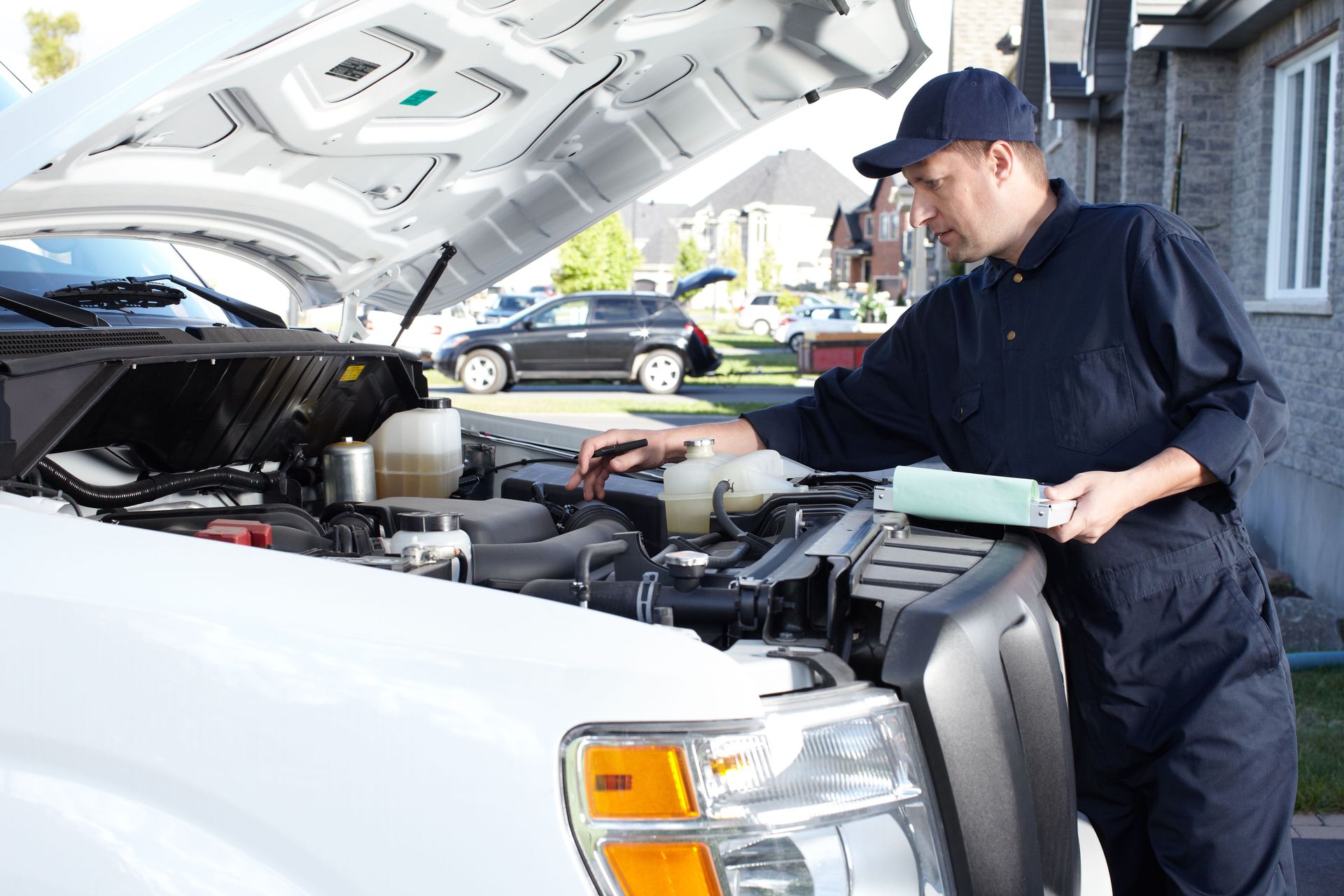
Physical inspections are also important. Technicians may need to evaluate wear, fluid condition, connections, movement, leaks, or other visible and functional characteristics. Combining available diagnostic information with professional inspection helps create a more complete understanding of the vehicle’s condition.
This process is one reason professional diagnosis matters. Replacing a component based only on a symptom may not address the actual source of a problem. A structured evaluation helps technicians focus repairs on the underlying concern and determine whether related components should also be inspected.
5. Expect Repairs That Address Vehicle Performance
When a problem has been identified, an auto repair shop can recommend repairs intended to restore proper operation or address worn and damaged components. The specific work will naturally depend on the vehicle and the issue involved. Some visits involve relatively straightforward maintenance, while others require more extensive mechanical diagnosis and repair.
Automotive systems work together, which means the condition of one component can influence the performance of others. Braking, steering, suspension, tires, electrical systems, engine operation, and other areas all contribute to the overall driving experience. When something changes, technicians can examine the relevant systems and determine what work may be appropriate.
Drivers may also receive recommendations related to components that are showing wear but have not completely failed. These observations can help vehicle owners anticipate future service needs rather than being surprised when a worn component eventually requires attention.
Once repairs are completed, the goal is to address the identified concern and return the affected system to appropriate operation. Depending on the repair, technicians may perform additional checks to confirm that the original symptoms have been resolved and that serviced components are functioning as intended.
6. Expect Ongoing Support for Vehicle Care
Building familiarity with an auto repair shop can make ongoing vehicle maintenance easier. When technicians have previously serviced a vehicle, earlier repairs and observations may provide useful context during later visits. Vehicle needs change over time as mileage accumulates, components wear, and driving conditions vary.
Drivers also benefit from paying attention to changes between service appointments. New noises, unusual smells, fluid spots, warning indicators, handling changes, or differences in performance can all be useful information to share with a technician. Addressing changes promptly allows the vehicle to be evaluated before the issue potentially progresses.
Professional automotive care is ultimately an ongoing process. Maintenance and repairs are both parts of keeping a vehicle operating as intended. A service relationship that includes clear communication, appropriate inspections, and recommendations based on the vehicle’s condition can help drivers understand what their vehicles need over time.
Knowing what to expect can also make service appointments more productive. Drivers can arrive prepared to describe concerns, ask questions about inspection findings, and review recommendations with a clearer understanding of how professional automotive service works.
7. Expect Professional Help With Your Vehicle
Choosing an auto repair shop involves finding a place where your vehicle can receive appropriate evaluation, maintenance, and repairs as its needs change. Professional technicians can investigate concerns, explain their findings, and recommend services based on the condition of the vehicle. Staying attentive to maintenance and addressing unusual symptoms can also help drivers respond to developing issues before they become more disruptive.
At AC Tire & Service Center Inc, we help our customers address their automotive service and repair needs with professional care. Whether you need maintenance or have noticed a problem with your vehicle, contact us to discuss your concerns and schedule service with our team.