September 1, 2026
Understanding when professional service may be appropriate can help vehicle owners make informed decisions about maintaining and repairing their vehicles. According to IBISWorld, the auto mechanic market size is $92.1 billion in 2026. This broad industry includes many types of maintenance, inspection, diagnostic, tire, and repair services.
1. Preventive Automotive Maintenance
Maintain Your Vehicle
Preventive maintenance provides an opportunity to address routine vehicle service needs before they require more extensive attention. Oil changes, tire rotations, brake inspections, battery service, and other maintenance services can help owners stay aware of their vehicle's condition. Regular service can also provide an opportunity to identify components that may require inspection or repair.
Identify Issues Early
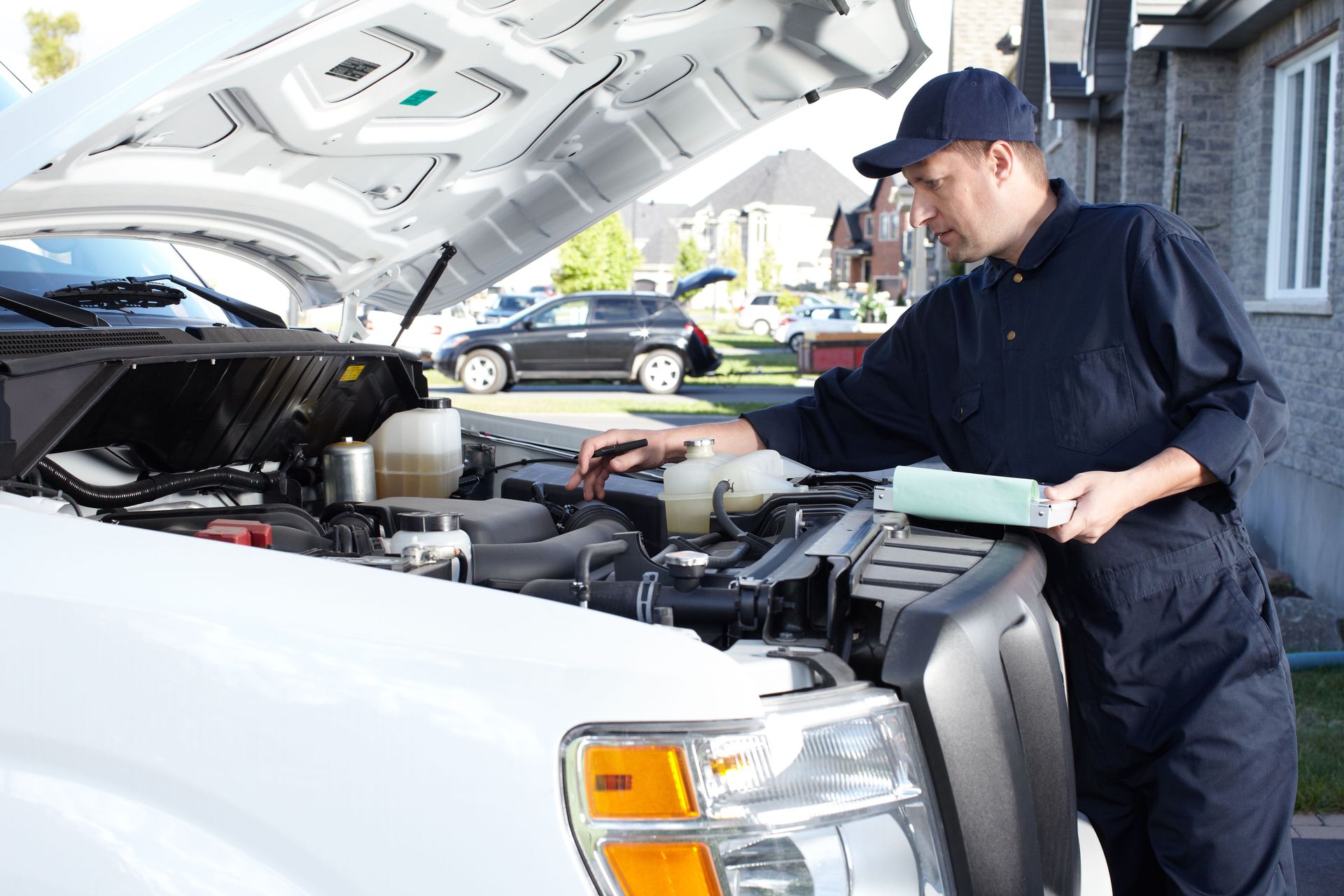
Unusual noises, warning lights, changes in handling, and other noticeable vehicle symptoms can indicate that a vehicle needs attention. Professional diagnostics and inspections can help identify the source of a concern and determine what type of service may be appropriate. An auto mechanic can use available diagnostic and inspection services to evaluate the concern more closely.
2. Available Automotive Services
Schedule Routine Oil Changes
Oil changes are a common part of routine vehicle maintenance. Regular oil service provides an opportunity to replace used engine oil and address other basic maintenance requirements related to the service. Vehicle owners can incorporate oil changes into their regular maintenance schedules based on their vehicle's needs and recommendations.
Service Tires and Wheels
Tire service encompasses much more than replacing a worn tire. Automotive service centers can provide tire installation, tire repair, tire rotation, balancing, pressure checks, and wheel alignment. These services address different aspects of tire and wheel maintenance and can be selected according to the vehicle's needs.
Drivers can also choose from several tire categories, including all-season, all-weather, commercial, electric vehicle, high-performance, light truck, mud, off-road, passenger, run-flat, snow and winter, and used tires. Custom wheels and tires are available as another option for drivers interested in different wheel and tire combinations.
Inspect and Repair Brakes
Brake inspections can help identify conditions affecting the vehicle's braking system. A brake inspection may include evaluating brake pads, rotors, brake fluid, and brake lines. When components require service, brake repairs can address the specific parts identified during the inspection.
3. Key Automotive Service Factors
Review the Service Range
Choosing an automotive service provider starts with determining whether its available services match your vehicle's needs. Some shops focus primarily on routine maintenance, while full-service automotive facilities may handle tires, diagnostics, mechanical repairs, exhaust systems, inspections, and specialty services. Reviewing those categories can help you identify a service provider that addresses the concern affecting your vehicle.
Reviewing the available service range can be particularly useful when a vehicle requires more than one type of service. A shop may offer oil changes, brake work, tire installation, wheel alignment, battery service, steering and suspension repairs, fuel system service, radiator work, air conditioning repairs, and computerized diagnostics. Understanding those capabilities can make it easier to determine whether a provider can address a particular concern.
Consider Specialized Capabilities
Some vehicle needs require services beyond routine maintenance. When evaluating an automotive service provider, consider whether it handles the specific systems or applications involved in your vehicle's service needs. This can be especially relevant when a vehicle requires specialty tire, wheel, exhaust, diesel, or trailer services.
4. Practical Automotive Service Steps
Start With an Inspection
An inspection can provide a starting point for understanding a vehicle's condition when a specific concern has not yet been identified. Depending on the type of service, an inspection may evaluate tires, brakes, steering and suspension components, exhaust systems, fluid levels, lighting, or other vehicle systems. The scope of the inspection can vary according to the vehicle and the reason for service.
When a warning light or other symptom points to a potential problem, computerized diagnostics can provide additional information. Diagnostic testing can help identify trouble codes and indicate which systems may require further inspection. Combining diagnostic information with an appropriate inspection can help narrow down the source of a vehicle concern.
Address the Identified Service Need
Once a vehicle concern has been identified, the appropriate maintenance or repair service can be considered. Some issues may call for routine maintenance, while others may require component repair or replacement. The applicable service depends on the system involved and the condition identified during inspection or diagnostics.
Available repairs can include battery replacement, belts and hoses, radiator service, steering and suspension work, fuel system repairs, brake repairs, air conditioning service, and exhaust system repairs. Addressing the specific system involved keeps the service process focused on the vehicle's identified needs. Additional tire, wheel, inspection, and diagnostic services may also be appropriate depending on the concern.
5. Ongoing Vehicle Service
Keep Up With Maintenance
Vehicle maintenance should be approached as an ongoing process rather than a single service appointment. Oil changes, tire rotations, brake inspections, tire pressure checks, and other routine services can be performed as part of a vehicle's maintenance needs. Keeping track of these services can help owners remain aware of the condition of their vehicles.
Prepare for Seasonal Tire Changes
Seasonal tire changes can be useful for drivers who switch between winter and other tire sets during the year. Professional tire service can include removing and installing the appropriate set, mounting and balancing tires, and checking tire condition. These services can support a more organized approach to managing separate tire sets.
Seasonal tire storage is also available for drivers who do not want to keep their off-season tires at home. Keeping the seasonal sets available for their intended use can make it easier to transition between tire types as driving conditions change. Tire storage can be considered alongside seasonal installation, balancing, and other tire services.
6. Specialized Automotive Services
Explore Performance Exhaust
Exhaust service can address both repairs and performance-oriented applications. Performance exhaust services can include custom cat-back exhaust systems, high-flow catalytic converters, performance mufflers, performance resonators, stainless-steel exhaust components, headers, manifolds, turbo-back exhaust systems, and exhaust tips and accessories. These options provide several configurations for vehicles with performance exhaust needs.
Service Diesel Exhaust Systems
Diesel vehicles can require specialized exhaust-related services. Available diesel exhaust services include diesel exhaust pipe repair and replacement, muffler installation, catalytic converter service, diesel particulate filter cleaning and replacement, turbocharger exhaust repairs, custom exhaust fabrication, emissions testing support, system maintenance, diesel exhaust diagnostics, and full diesel exhaust system replacement. These services address multiple components of diesel exhaust systems.
7. Automotive Safety Inspections
Evaluate Key Safety Systems
Safety inspections provide an opportunity to evaluate important vehicle systems and identify components that may need service. Depending on the inspection, areas reviewed can include tires, brakes, steering and suspension components, lighting, wipers, fluid levels, and exhaust systems. These evaluations can help identify maintenance or repair needs involving specific vehicle systems.
Tire inspections can evaluate tread depth, tire condition, and inflation, while brake inspections can address brake pads, rotors, brake fluid, and brake lines. These evaluations can help identify maintenance or repair needs involving systems used during everyday driving. Other inspection areas can be considered according to the type of vehicle and inspection being performed.
Complete DOT Inspections
Commercial vehicles may require specific inspections in addition to routine automotive service. DOT inspections provide a type of vehicle safety evaluation for applicable commercial vehicles and can address requirements associated with commercial vehicle operation. This service is separate from the general maintenance and repair services available for other vehicle needs.
AC Tire & Service Center Inc offers comprehensive automotive services, including maintenance, repairs, tire and wheel services, exhaust work, diagnostics, inspections, and trailer repairs. To learn more about our services and how we can help with your vehicle needs, explore our available automotive solutions. Our range of services can address routine maintenance as well as more specific automotive concerns.